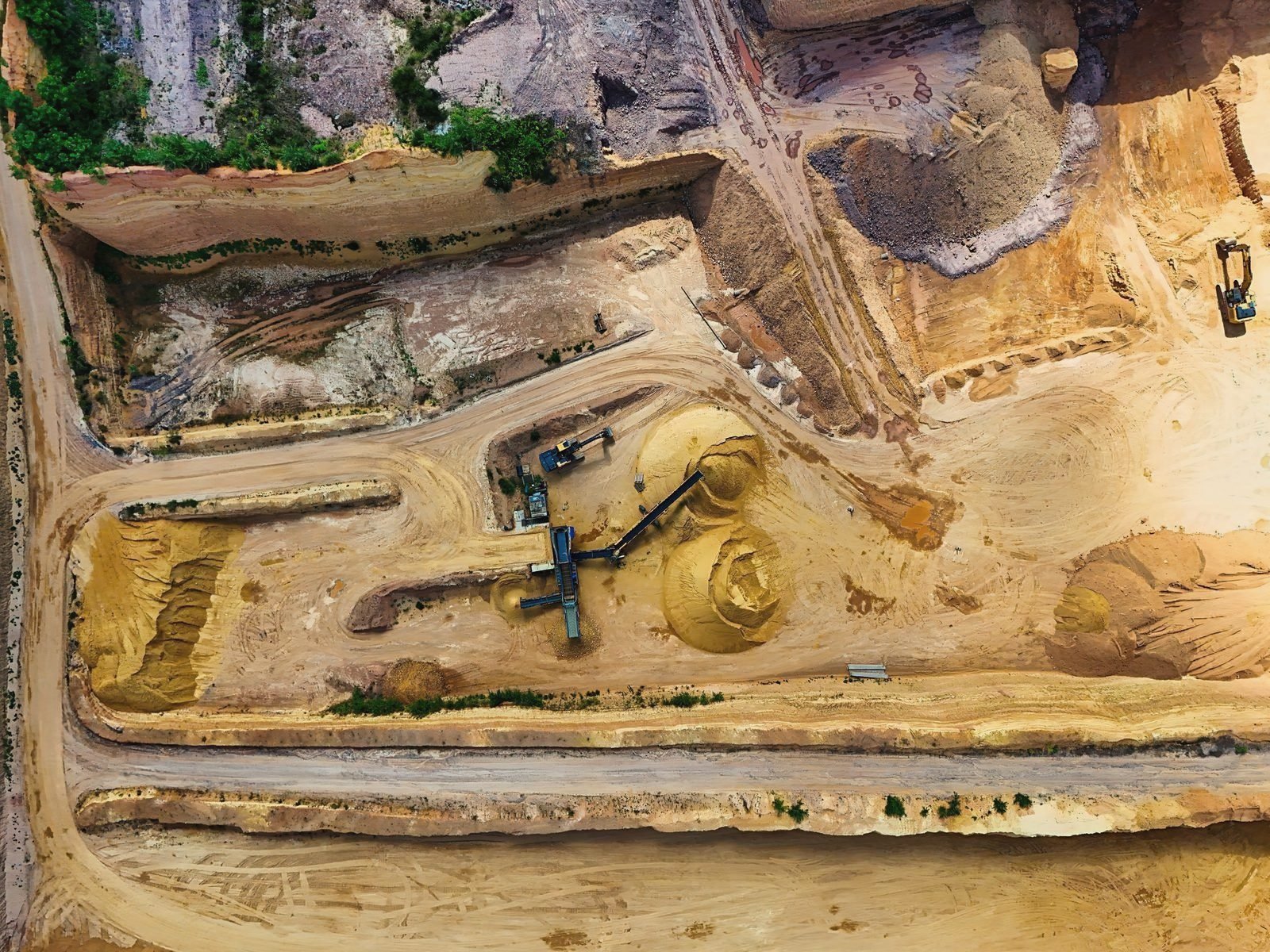
Mines, ports, energy and infrastructure keep the world running. They move goods, power cities and supply the materials everything else is built from. Yet for most investors, these assets sit behind a wall. They are large, complex and usually held privately, so taking part in them has been limited to a small circle of participants.
At the same time, many owners of these assets want capital to grow, maintain or modernise them. The usual routes often ask them to give up more than they would like: control of the asset, or ownership of the whole.
A different starting point
What if capital could be raised against part of an asset's value, while the owner keeps ownership and control of the whole? The owner keeps running the asset. Investors take part in a clearly defined portion of it. Each side knows what it holds.
Productive assets are not short of value. They are short of clear ways for capital to reach them.
What has to be true
For that to work, a few things have to be in place before any capital moves. The asset has to be independently checked. Its records and performance have to be turned into information that people outside the business can understand. The rights of each participant have to be written down plainly. And performance has to be reported regularly, not just at the start.
None of this is new on its own. What is new is bringing it together in one place, built for real assets from the ground up.
Why now
Better data, clearer structures and growing interest in real-world assets are all moving in the same direction. The assets have always been there. What is changing is the ability to see them clearly, structure them well and open them up to a wider market.
This is a sample article for illustration.